Science & Tech
By mapping the gut ecosystem with rigorous science and proprietary technology, we’re unlocking a future of better care.

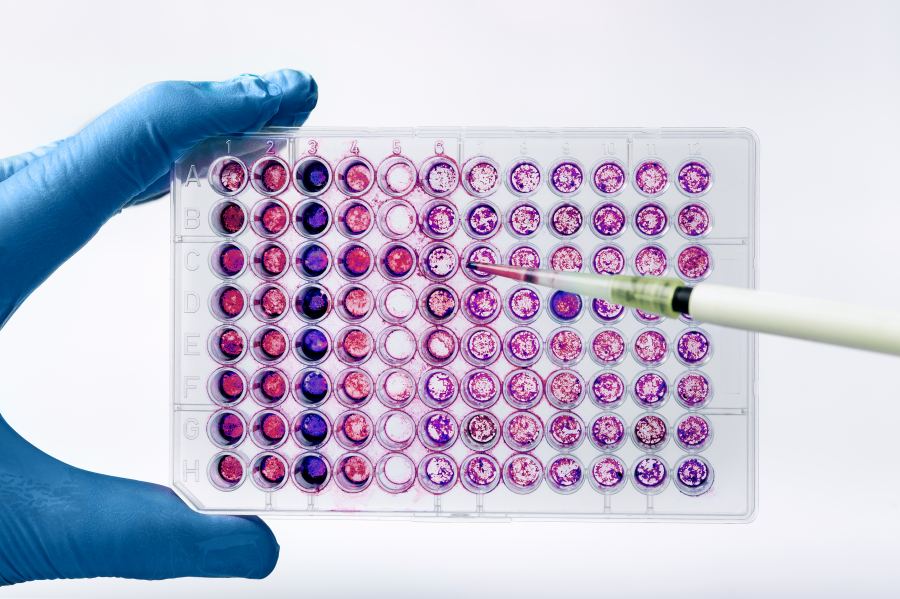
Clinical-grade science
Clinical-grade testing demands superior science and technology. At Microba, we pair rigorous science with precision technology to deliver insights you can trust. Every step, from sample collection to report generation, is designed for accuracy, completeness, and clinical relevance.
We choose the hard road of building new scientific and technological standards because that is what’s needed to change the future of healthcare. Our integrated approach delivers a more accurate picture of the gut microbiome and its role in health, helping practitioners make evidence-based decisions with confidence.


Built on evidence
For nearly a decade, Microba has led gut microbiome science, driving discoveries that shape understanding and enable confident, clinical-grade care.
Our multidisciplinary team of scientists, researchers, doctors and practitioners spans the fields of microbiology, gastroenterology, immunology, infectious disease, bioinformatics, metagenomic sequencing and clinical translation. Together, our team has produced hundreds of publications and received thousands of citations in peer-reviewed scientific journals.
Through ongoing research, including the Microba Science Review – draws on more than 2500+ peer-reviewed studies and over 7500+ hours of evaluation – we continue to raise the standard for gut microbiome testing.
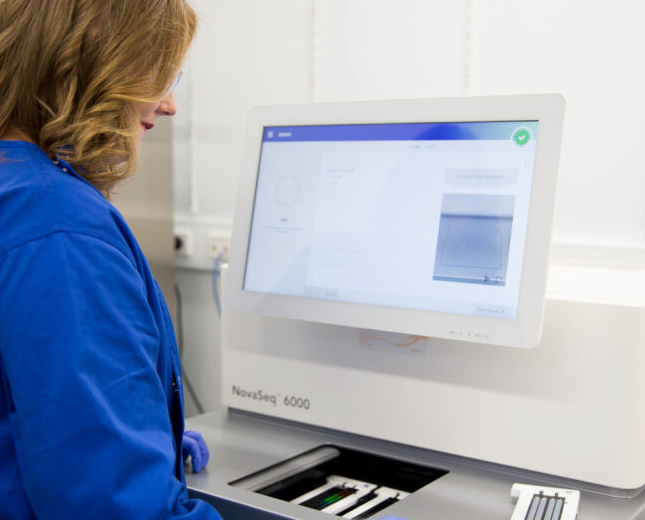
Our Technology
Microba’s technology delivers comprehensive gut microbiome profiling using next-generation metagenomic sequencing – the gold standard in gut microbiome research.
From the Microba Smart Stool Sampling kit to our pathology-grade ISO15189-accredited laboratories and ISO15189 and ISO13485-accredited bioinformatics, every step of our process is designed for precision, reproducibility and scientific integrity. This commitment to excellence defines what clinical-grade microbiome testing should be, and sets a new standard for care.
Related FAQs
Find answers to the questions we hear most often. From our technology and products to accreditation, partnerships and the future of Microba.
Do you know exactly which oral species Microbiome Explorer can identify?
How many Archaea species can Microbiome Explorer identify?
What's the difference between shotgun metagenomic sequencing and culture-based methods?
How many protist species can Microbiome Explorer identify?
How many people are in the healthy comparison group?
What's the average number of species detected in the healthy comparison group?
How many species can Microbiome Explorer identify within the Clostridium genus?
Work with us
Start a career with microba today

Practitioner Support
Have questions or need help getting started?