
Chronic bloating
"“I wake up feeling flat, but by evening my stomach is swollen, tight and uncomfortable. I’ve changed my diet, tried probiotics, and had standard GI tests—but I still don’t have answers..."
Progressive daytime distension
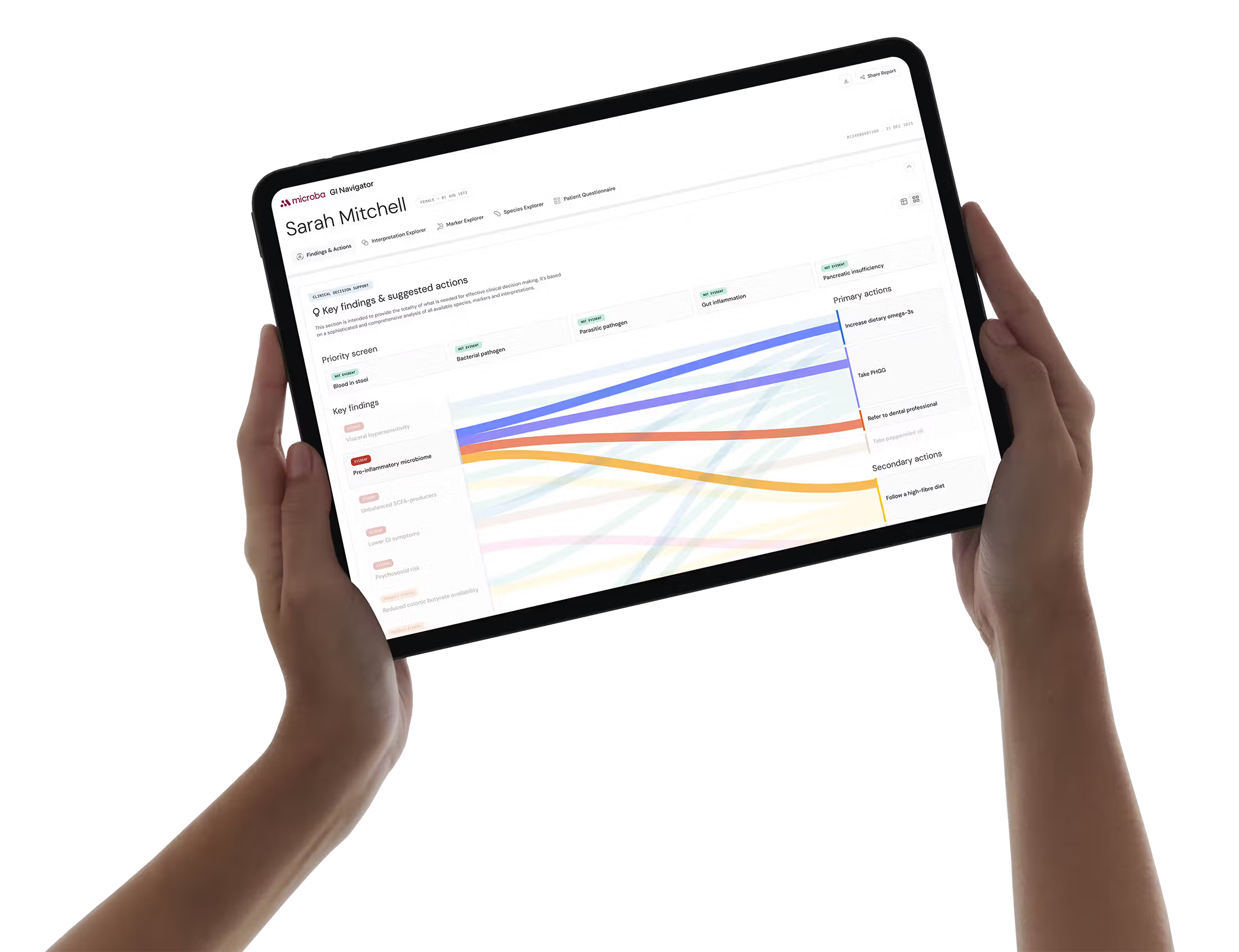
Resolve complex GI symptoms, with easy-to-use clinical guidance built on the latest science and full microbiome mapping¹


Join the 4,000+ practitioners who trust Microba
40% of people live with an ongoing functional gut disorder²
Outdated microbiome protocols and standard gut testing can leave practitioners and patients without answers, prolonging patient suffering.

Everything you need to treat complex GI patients with confidence

Full microbiome mapping³, built-in at-home patient presentation assessment, gut physiology panel & pathogen screening – all in one test.
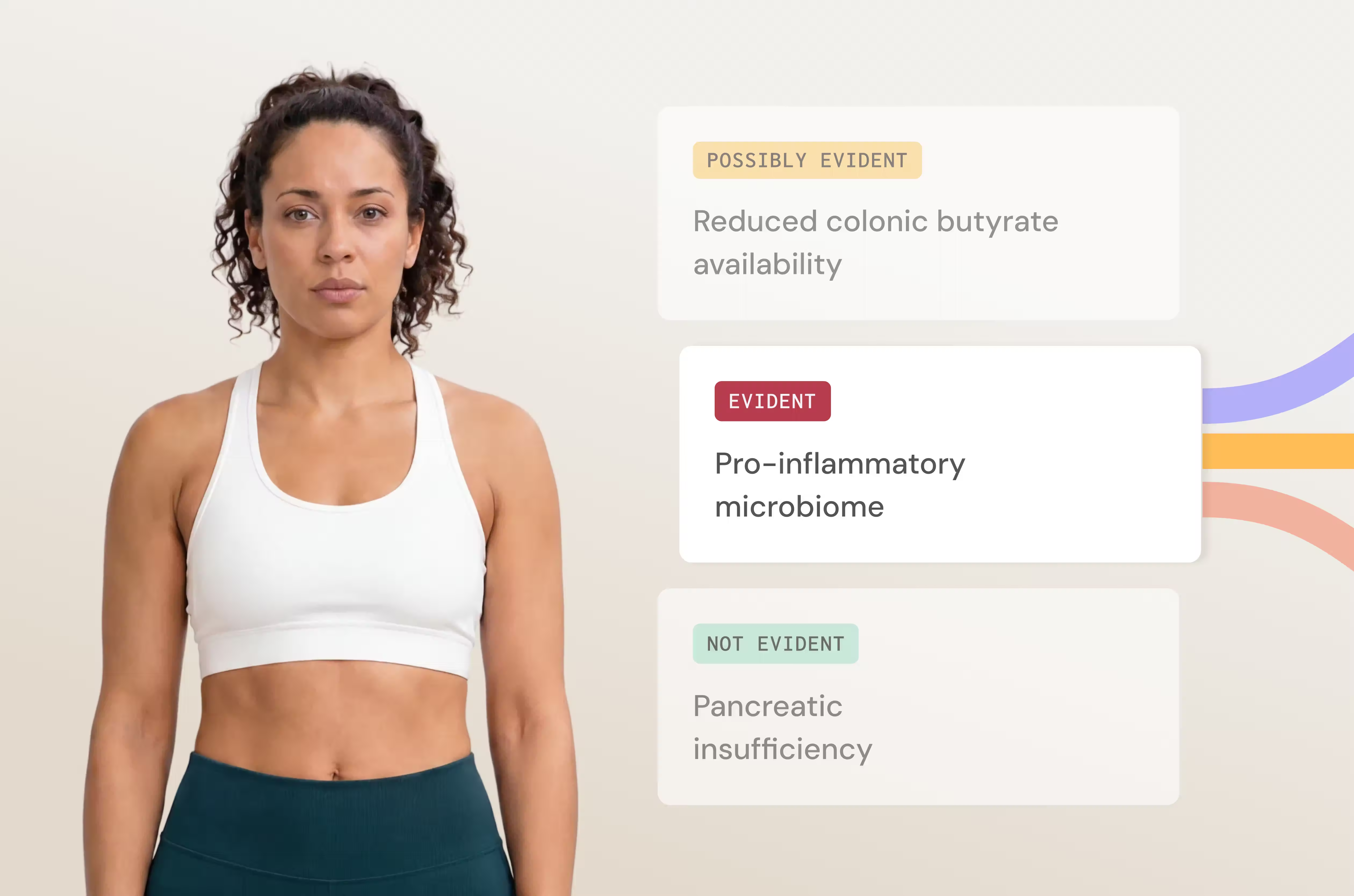
Effortlessly understand and communicate precise interpretations for your patient – based on the latest microbiome science.

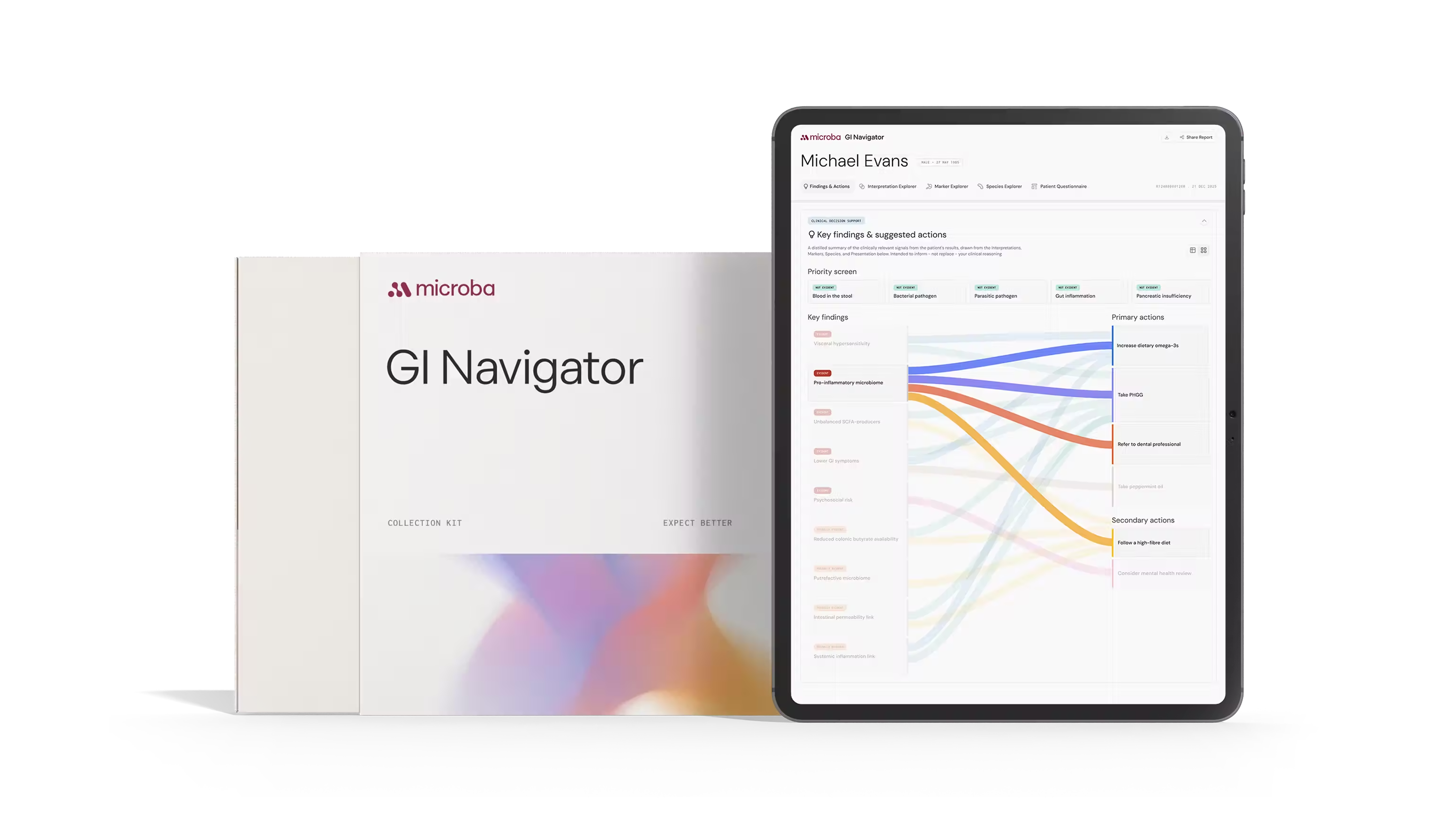
Know what you need to do in minutes not hours - with each interpretation mapped to a consolidated set of personalised, prioritised suggested next steps across diet, supplements, exercise and more.

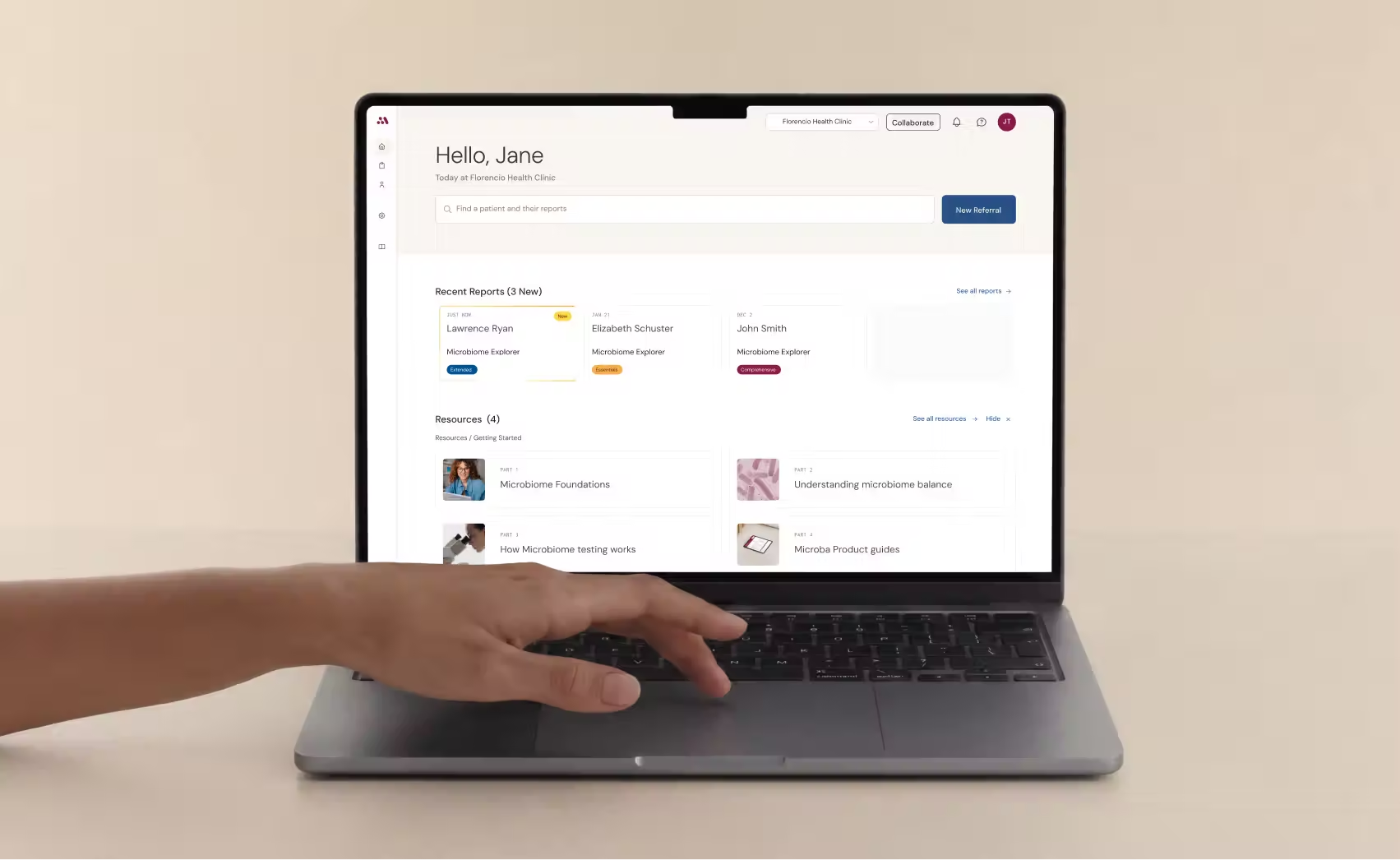
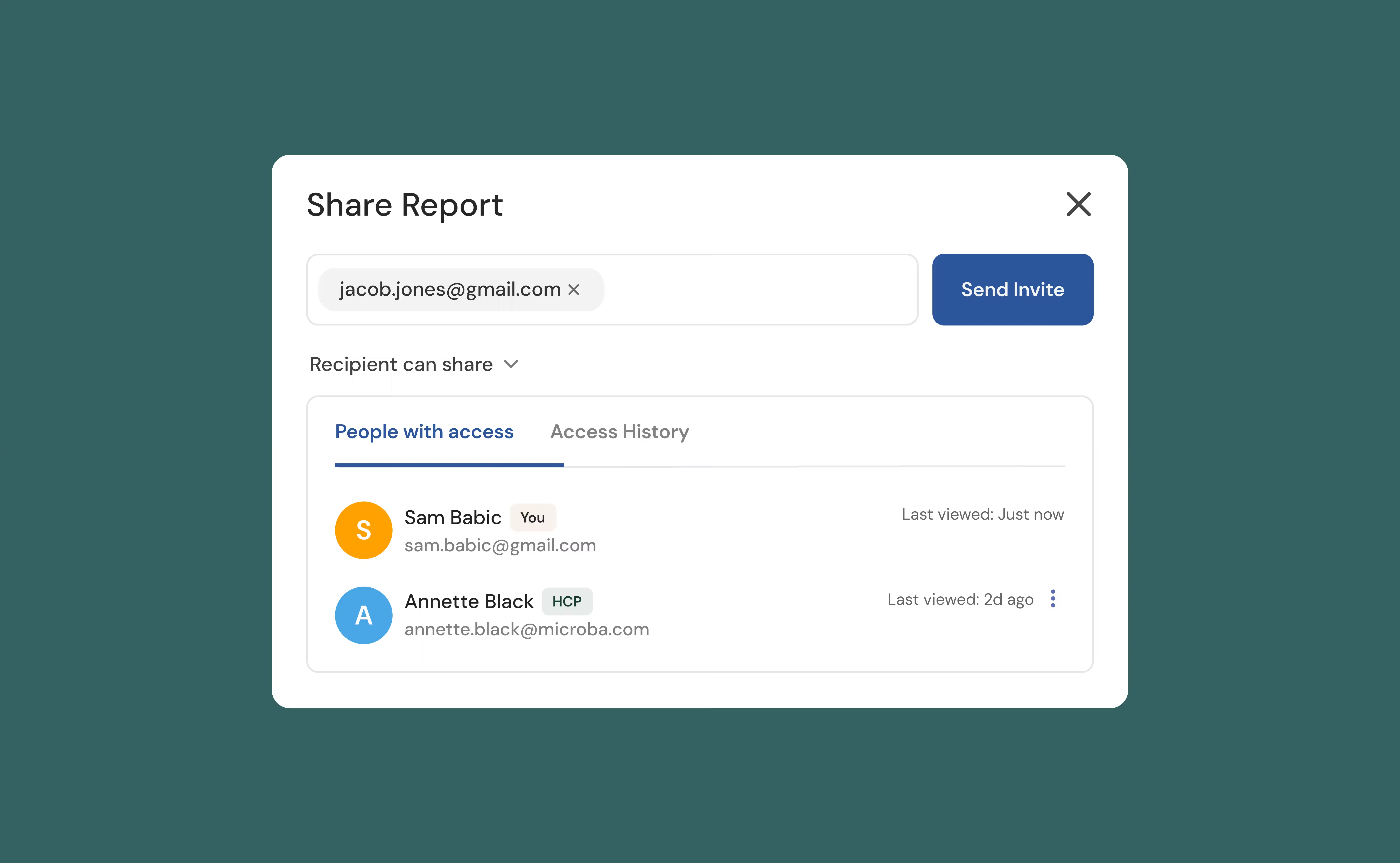
A range of tools to make practice workflows easier and more productive - including an intuitive, easy-to-use web portal, in-clinic collaboration features, flexible payment terms, live interactive report sharing, access to in-house Clinical Support and 24hr Customer Support.
Bring confident care to your practice
Create a free practitioner account in under five minutes and review the methodology, peer-reviewed studies and a sample reports yourself.
ISO 15189 accredited
4,000+ practitioners trust Microba
Free clinical support
Bring confident care to your practice
Create a free practitioner account in under five minutes and review the methodology, peer-reviewed studies and a sample reports yourself.
ISO 15189 accredited
4,000+ practitioners trust Microba
Free clinical support

Full microbiome mapping, built-in at-home patient presentation assessment, gut physiology panel & pathogen screening – all in one test.

Powerful shotgun metagenomics to deliver full coverage of the gut microbiome with precise functional analysis³.

A detailed analysis of GI markers to identify altered gut physiology and findings suggestive of pathology.

Patients complete an easy-to-use questionnaire at home, alongside their sample, giving essential context for microbiome interpretation.
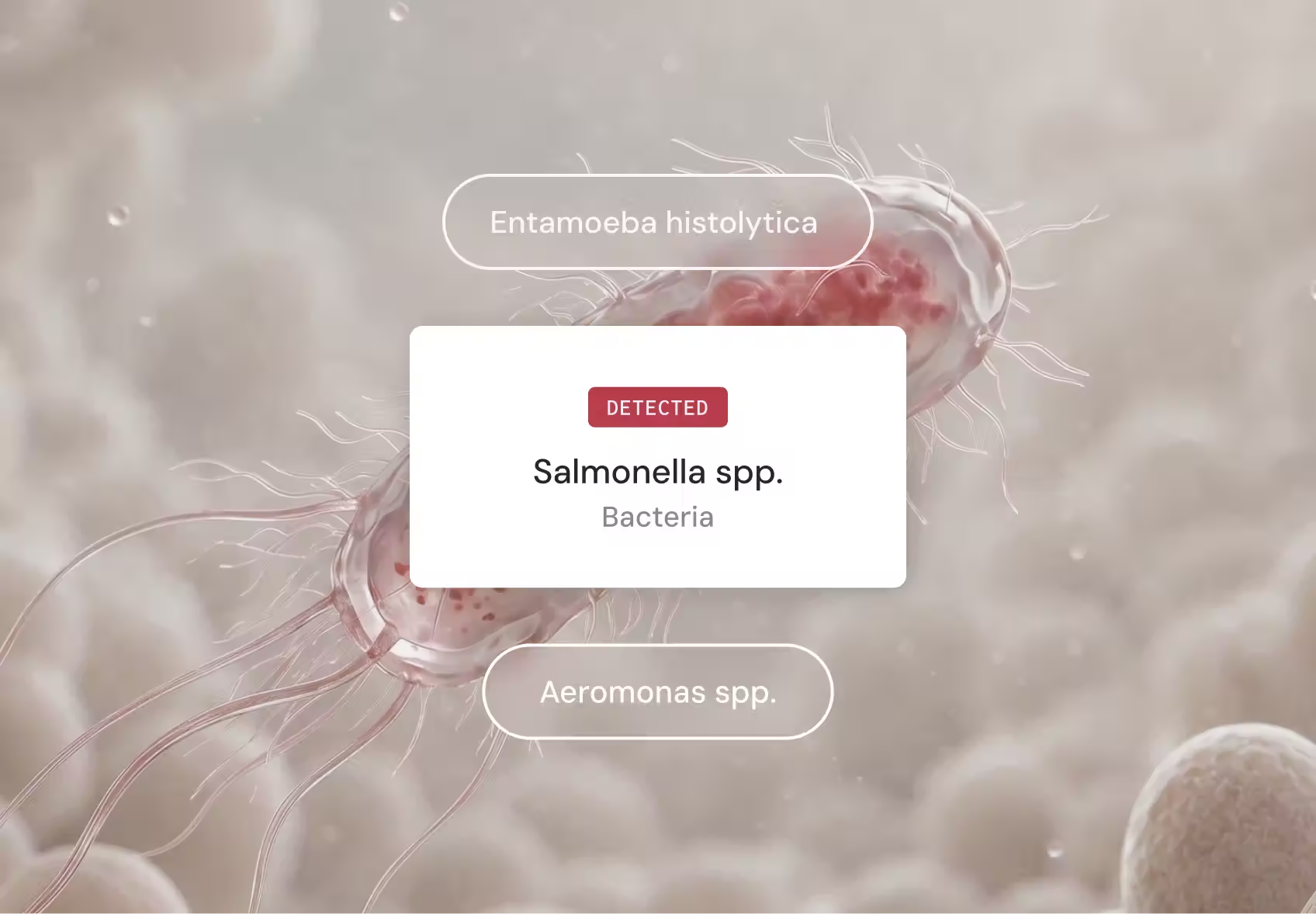
Targeted PCR identifies common pathogens that might be driving underlying infection and symptoms.

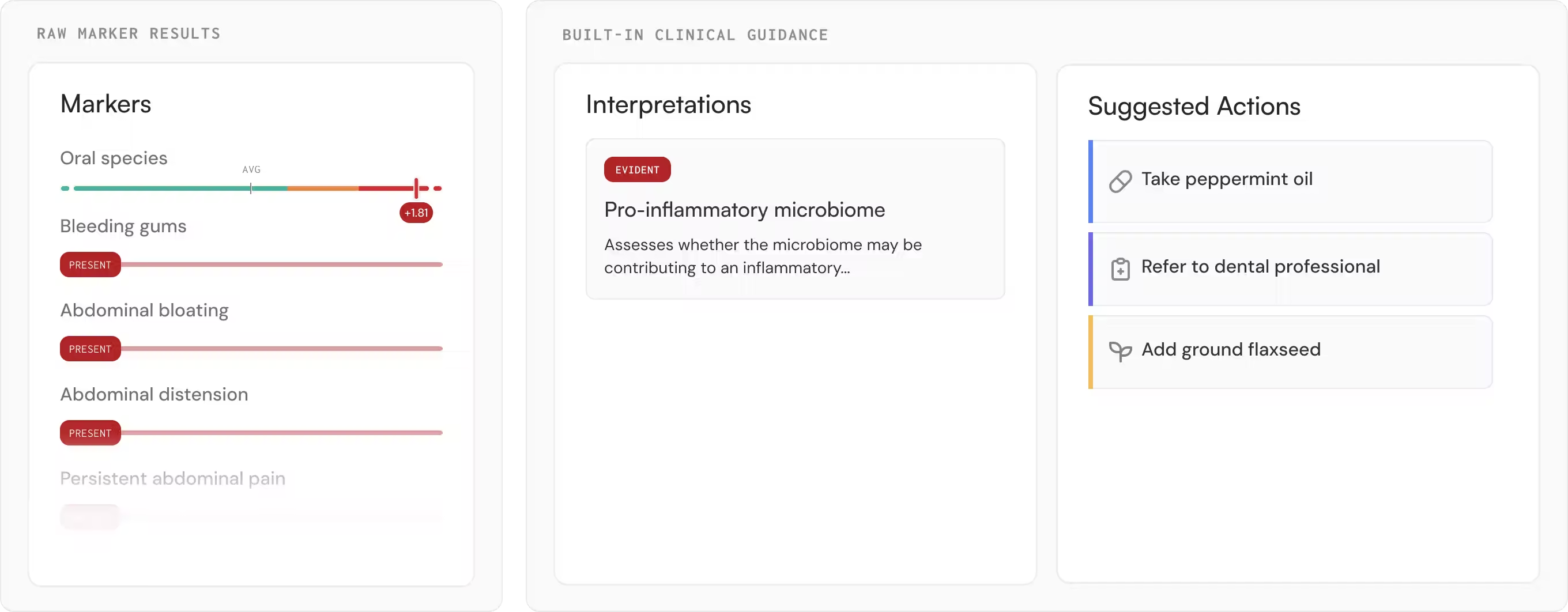
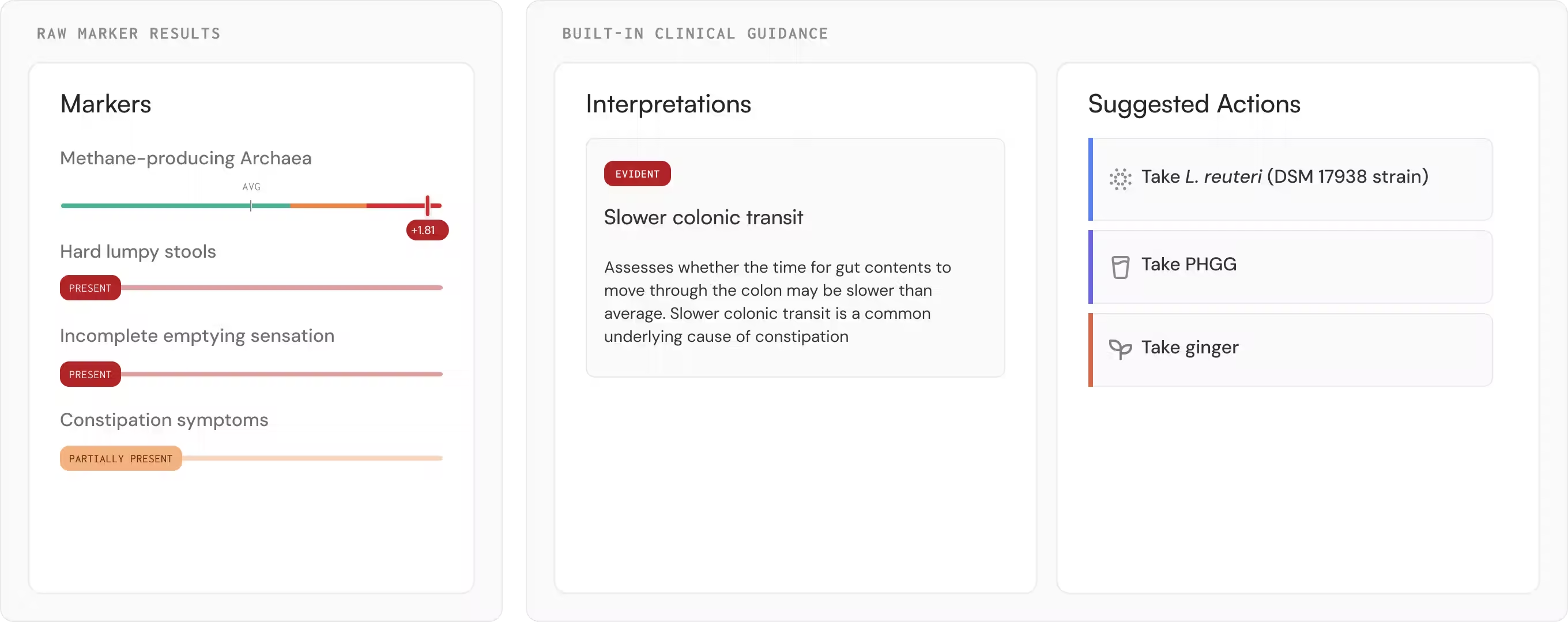
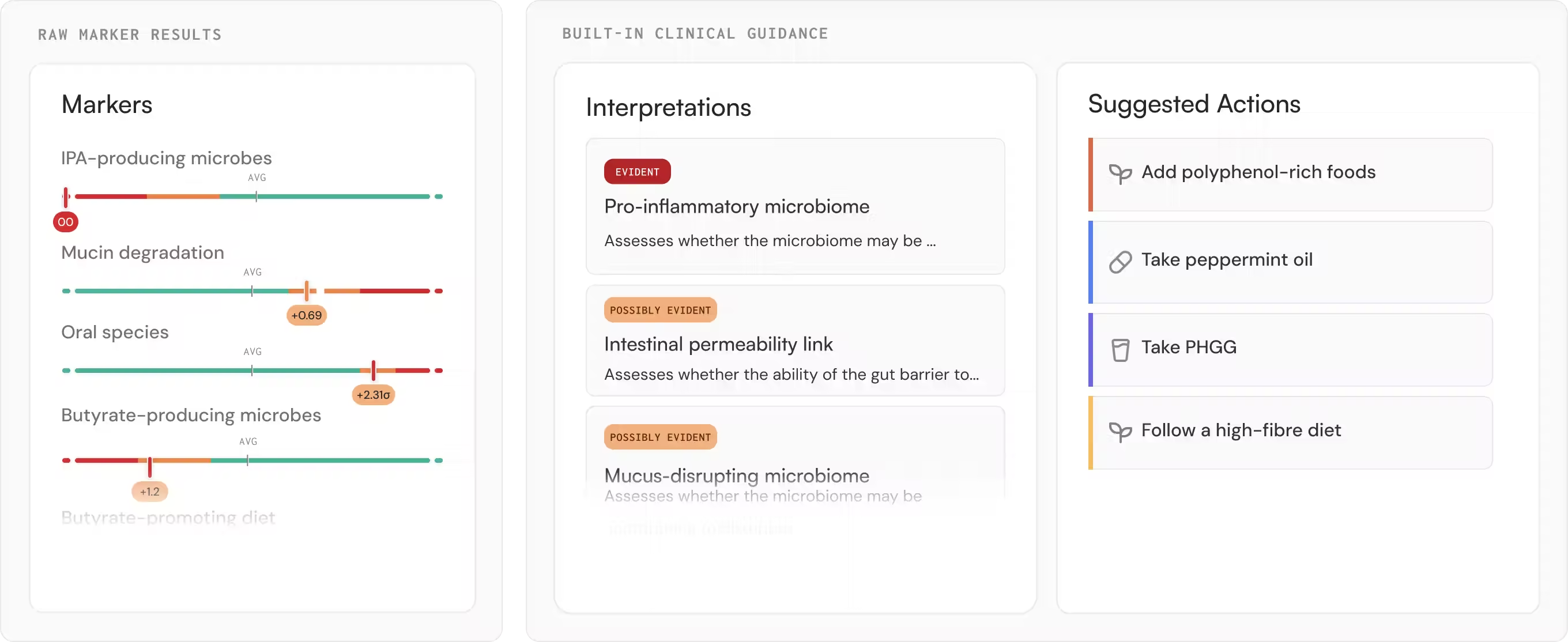
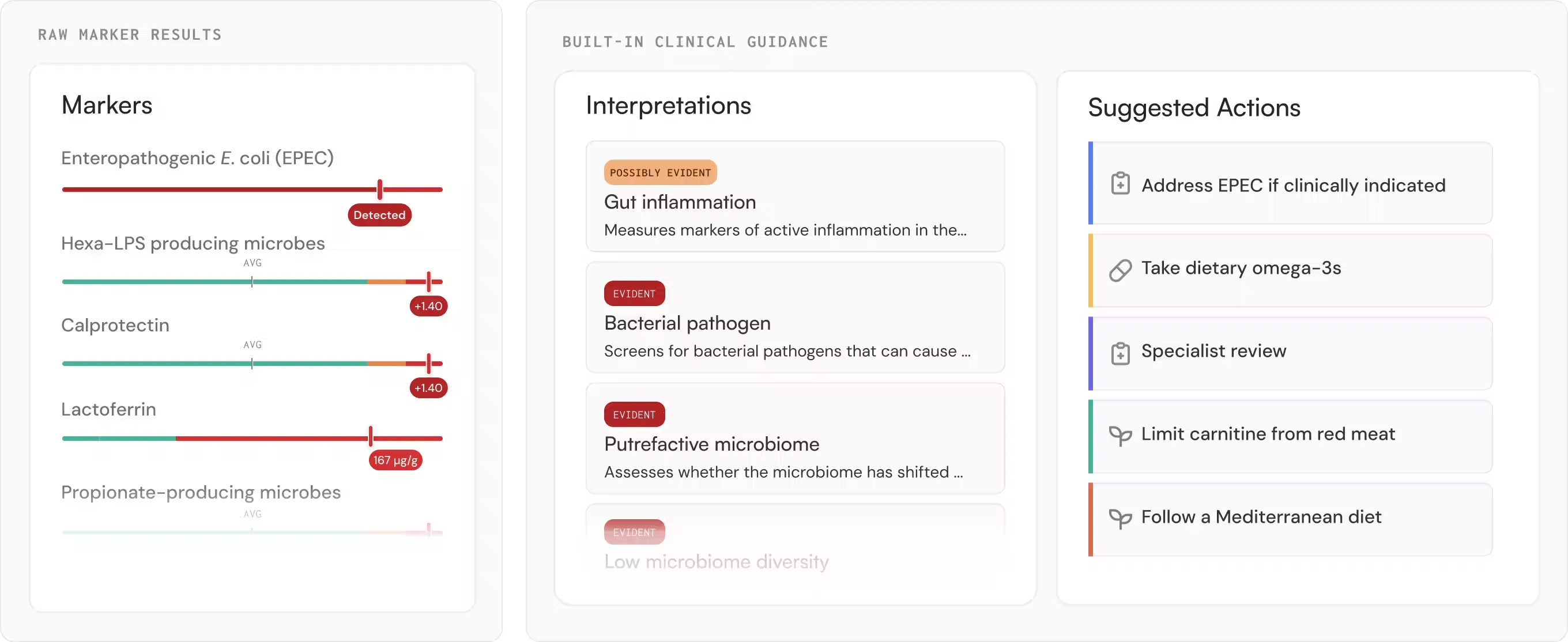
All raw test data is synthesised together - using the latest science and best practices - to accurately report on 22 critical areas of interpretation across seven health categories.And if you’re curious, click on any interpretation or marker to see the underlying analytical reasoning.

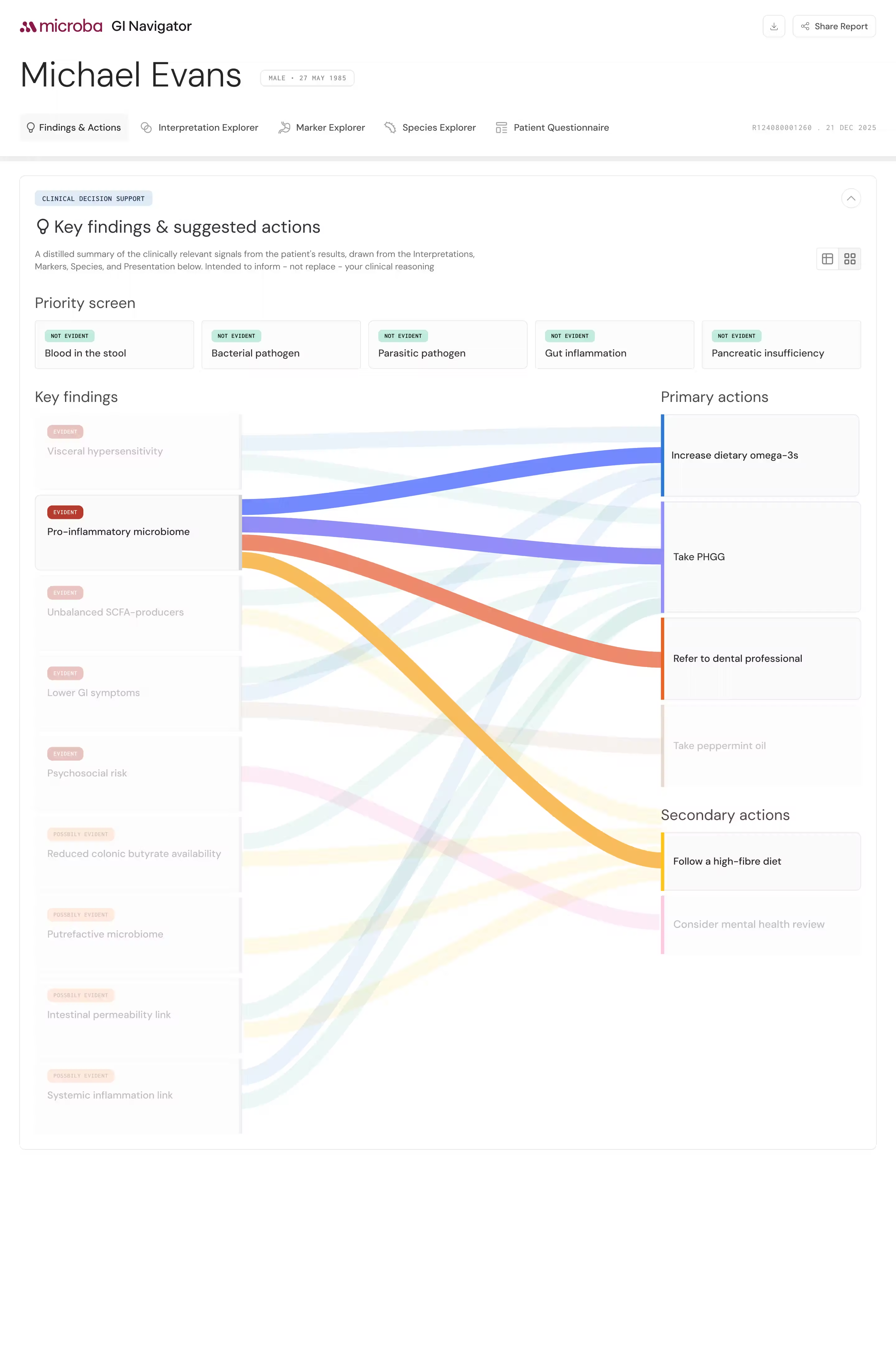
These targeted management actions are derived from evidence-graded insights grounded. This empowers practitioners to build treatment plans supported by the latest science on resolving GI symptoms⁴.

Increase dietary omega-3s
All raw test data is synthesised together - using the latest science and best practices - to accurately report on 22 critical areas of interpretation across seven health categories.And if you’re curious, click on any interpretation or marker to see the underlying analytical reasoning.

These targeted management actions are derived from evidence-graded insights grounded. This empowers practitioners to build treatment plans supported by the latest science on resolving GI symptoms⁴.

Increase dietary omega-3s


Get started with GI Navigator
Create your free practitioner account in under five minutes to explore sample reports, clinical evidence and testing methodology.
ISO 15189 accredited
4,000+ practitioners trust Microba
Free clinical support
While Gl Symptoms often present in similar ways, Gl Navigator can help uncover the unique combination of contributing factors and personalised treatment actions for each patient.
"While GI Symptoms often present in similar ways, GI Navigator can help uncover the relevant contributing factors and support more personalised, evidence-informed management for each patient..."
Irregular bowel habit with difficulty emptying



•
3-indolepropionic acid (IPA)-producing microbes
•
Acetate-producing microbes
•
B. fragilis toxin-producing microbes
•
Beta-glucuronidase producing microbes
•
Branched-chain amino acid (BCAA)-producing microbes
•
Butyrate-producing microbes
•
Hexa-acylated lipopolysaccharide (hexa-LPS producing microbes
•
Histamine-producing microbes
•
Hydrogen sulphide-producing microbes
•
Methane-producing Archaea
•
Microbial diversity
•
Microbial richness
•
Mucin degradation
•
Oral species
•
Oxalate-consuming microbes
•
Propionate-producing microbes
•
Trimethylamine (TMA)-producing microbes

•
Calprotectin
•
Faecal occult blood
•
Faecal pH
•
Human DNA
•
Lactoferrin
•
Pancreatic elastase
•
Secretory IgA
•
Zonulin family peptides

•
Aeromonas spp.
•
Blastocystis spp.
•
Campylobacter spp.
•
C. difficile toxin B
•
Cryptosporidium spp.
•
Cyclospora cayetanensis
•
Dientamoeba fragilis
•
E. coli O157
•
Entamoeba histolytica
•
Enteroaggregative E. coli (EAEC)
•
Enteropathogenic E. coli (EPEC)
•
Enterotoxigenic E. coli (ETEC)
•
Giardia lamblia
•
Hypervirulent Clostridium difficile
•
Salmonella spp.
•
Shiga toxin-producing E. coli
•
Shigella spp./EIEC
•
Vibrio spp.
•
Yersinia enterocolitica

•
Abdominal bloating
•
Abdominal distension
•
Anxiety symptoms
•
Avoidant eating
•
Bleeding gums
•
Butyrate-promoting diet
•
Chronic visceral pain conditions
•
Constipation symptoms
•
Depression symptoms
•
Diarrhoea symptoms
•
Eating-related risk
•
Excess wind
•
Feeling of blockage
•
Fibre-focused diet
•
Food group exclusion
•
Hard lumpy stools
•
High stool frequency
•
IBS symptoms
•
IBS-C symptoms
•
IBS-D symptoms
•
IBS-M symptoms
•
Incomplete emptying
•
Laxative use
•
Loose/watery stools
•
Low stool frequency
•
Mediterranean diet adherence
•
Painful wind
•
Persistent abdominal pain
•
Physical symptom bother
•
PPI use
•
Report of IBD
•
Report of redundant colon
•
Splinting
•
Straining
•
Strong-smelling wind
22 clinical interpretations across seven categories, bringing complex findings together into a clearer picture of gut health.
Personalised, evidence-informed recommendations across diet, supplements, lifestyle and clinical care to help guide your next steps.


Get started with GI Navigator
Create your free practitioner account in under five minutes to explore sample reports, clinical evidence and testing methodology.
Free to register
Immediate portal access
No obligation to order
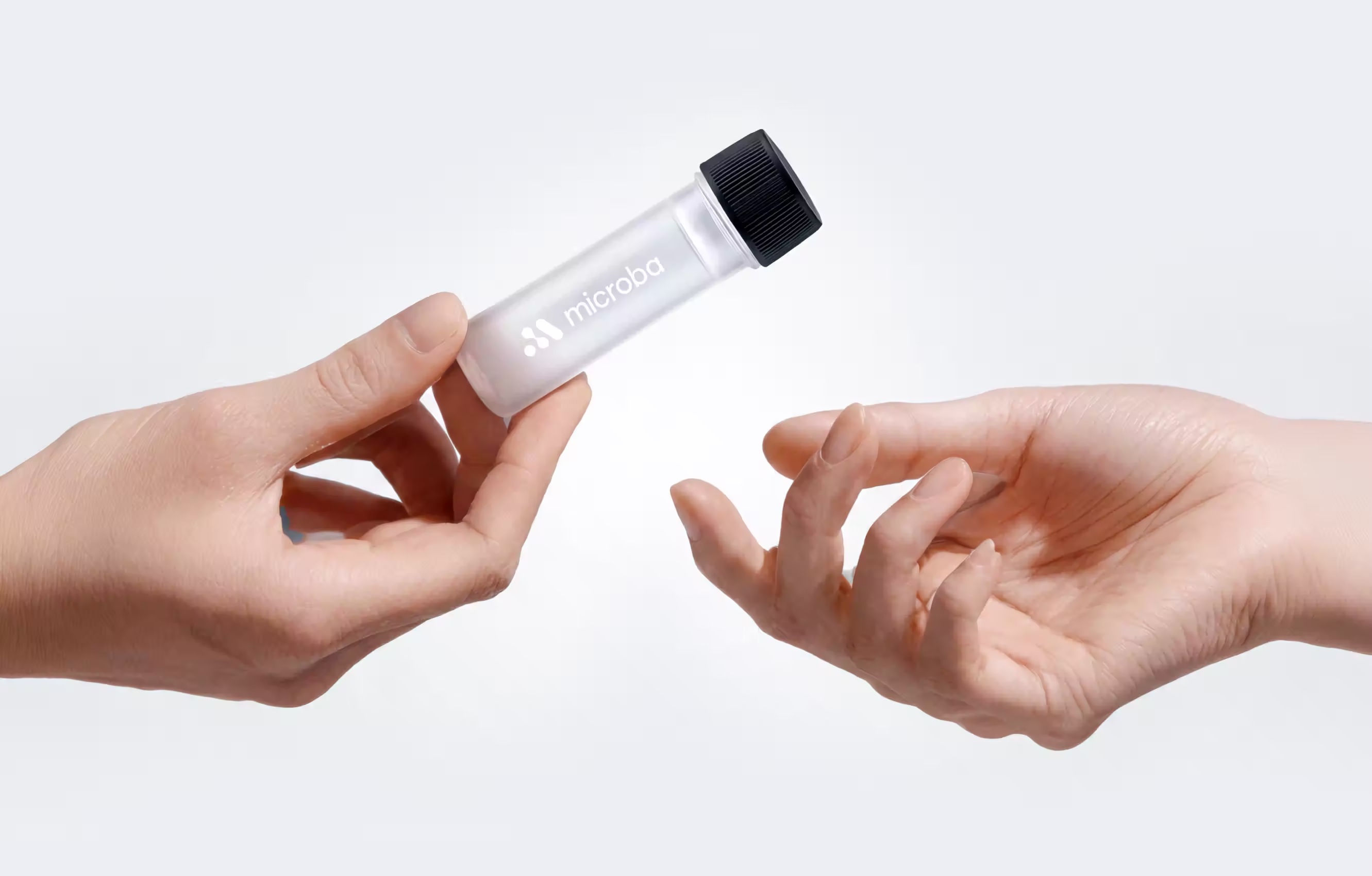




*2-4 weeks from the sample reaching the laboratory.

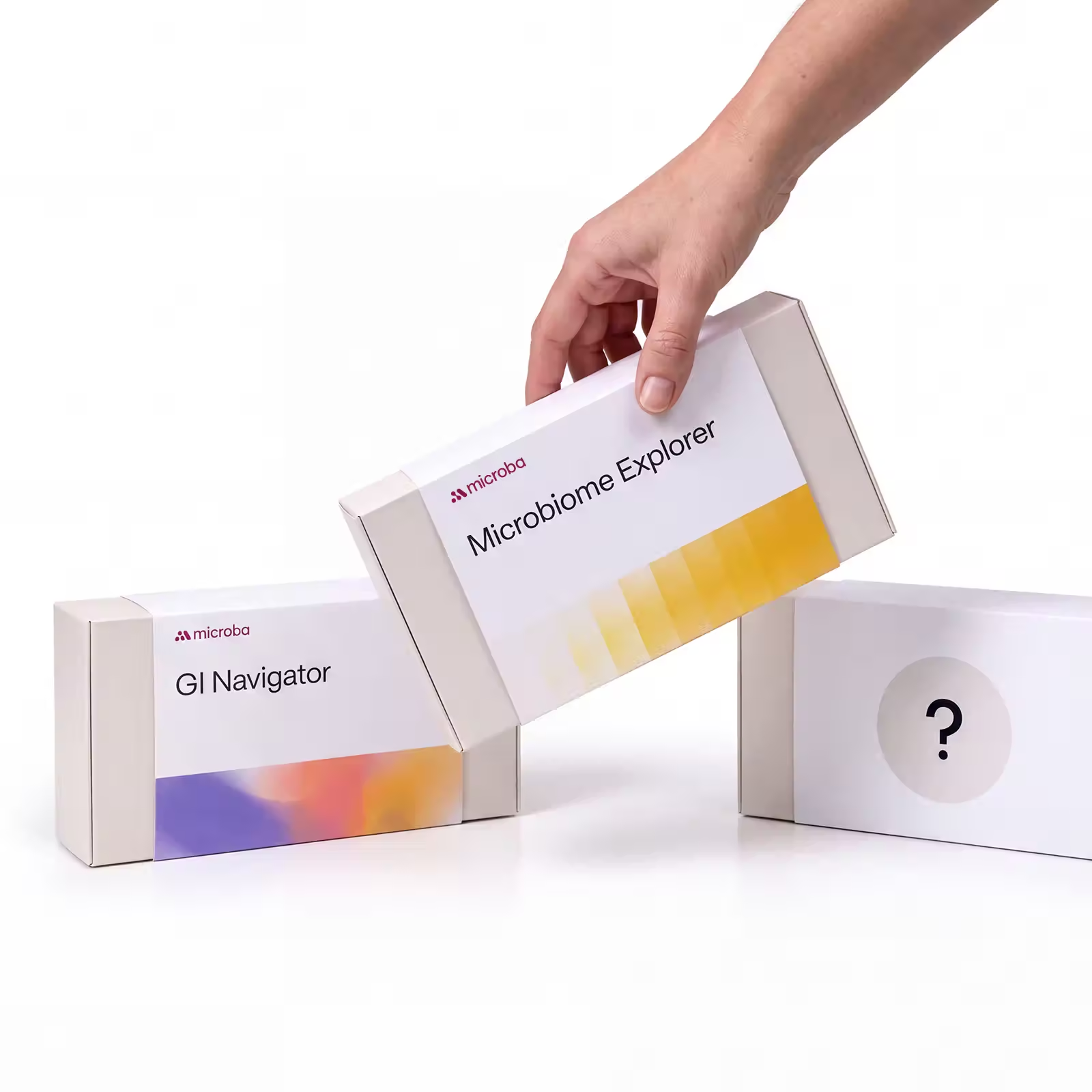
From comprehensive microbiome mapping to laboratory quality and clinical guidance, discover what sets Microba apart.
Complete a short registration, tell us about your practice and set up your login. You'll get immediate access to the practitioner portal and education hub.
Access the practitioner portal and education hub while we verify your credentials. Verification is required before you can order tests.
Once verified, you can order tests for your patients, explore Microba's product range and access practitioner resources.
Takes 2 minutes

Choose the test that’s right for your patients symptoms.
Resolve complex GI symptoms with a new era of easy-to-use clinical guidance⁴.
17+ Microbiome Markers
8+ Gut Physiology Markers
19+ Pathogen Markers
35+ Presentation Markers
Personalised clinical Interpretations
Personalised, prioritised actions¹
Flexible payment options
Full microbiome mapping with results and insights you can trust - designed to evaluate a range of systemic health issues.
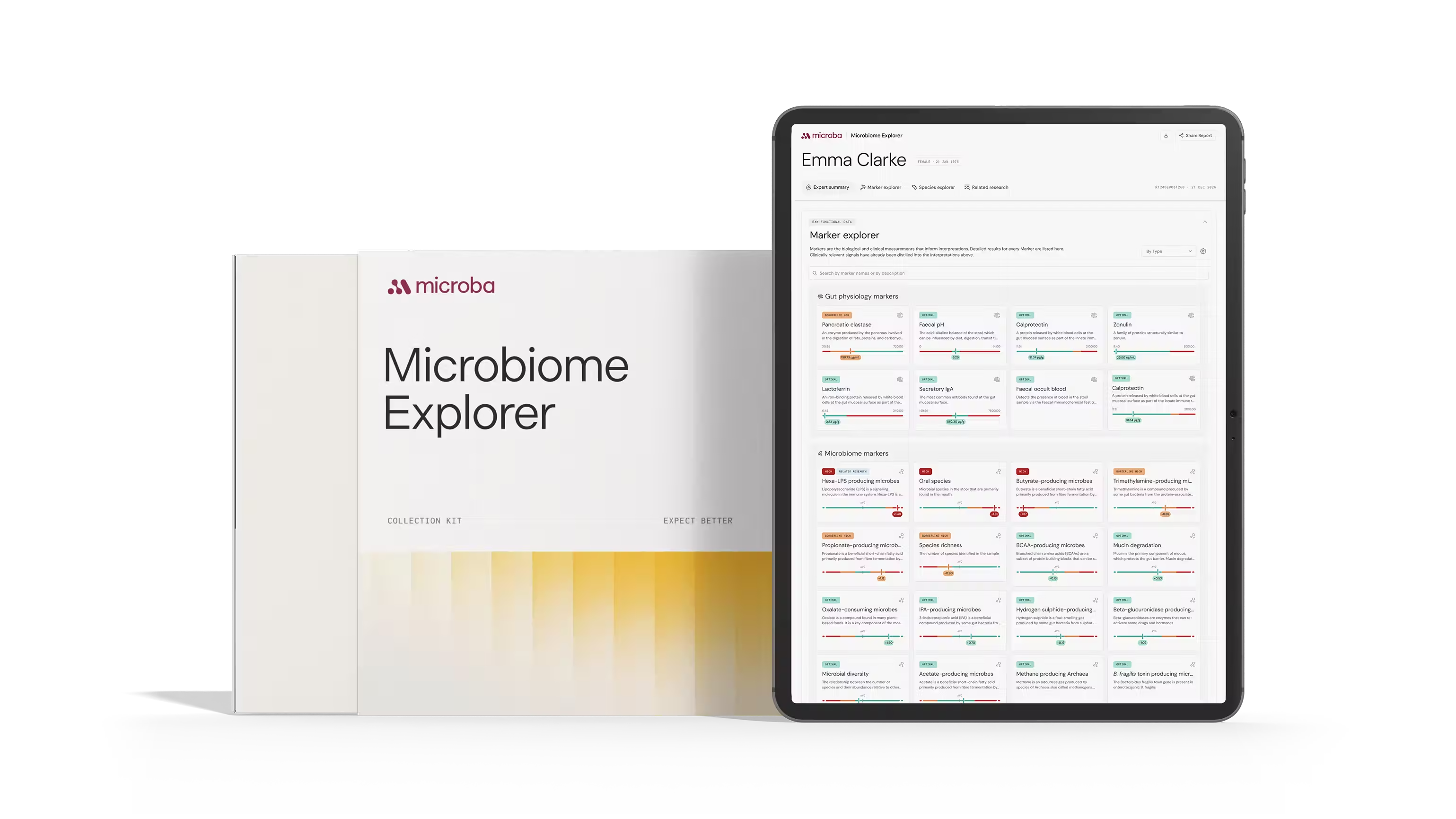
19+ Microbiome Markers
8+ Gut Physiology Markers*
19+ Pathogen Markers*
Report summary
75+ Evidence-graded interventions
Flexible payment options
*Included markers vary depending on SKU ordered.
Find answers to the questions we hear most often. From our technology and products to accreditation, partnerships and the future of Microba.
Why do I need a practitioner account?
What is Microba GI Navigator?
How do I order GI Navigator?
How is it different from Microba Microbiome Explorer?
Is GI Navigator a new test, or a new version of an existing one?
Who is GI Navigator for?
Is it a diagnostic test?
When is it available?
Is GI Navigator's sample collection different?
How long does it take?
(1) For use by Health Care Practitioners as a clinical decision support tool
(2) Sperber et al.,Gastroenterology, 2021.
(3) 100% coverage of all gut microbial species described in Almeida et al 2021 Nature Biotechnology, along with additional species, including eukaryotes.
(4) Suggested actions are intended to inform clinical management, not replace the judgement of the treating healthcare professional.
(5) GI Navigator incorporates components notified to the TGA under the exempt clinical decision support software pathway, including Species Explorer. Suggested Actions are not currently covered by a TGA regulatory determination and are intended for use under the supervision of a qualified healthcare professional.